







Search Results for: Green-Tip Geisha
Panama Hacienda La Esmeralda Green-Tip Geisha Quality Analysis: From BOP Champion Flavor to Front Street Coffee Brewing Suggestions
Every year during green coffee competition season, the coffee world enjoys a wave of excitement, and the Best of Panama (BOP) is undoubtedly the stage that Geisha lovers watch most closely. Geisha was discovered in the forests of Ethiopia, then made its way to Costa Rica's CATIE where it was labeled T2722, and later blossomed in Panama—all after a long period of obscurity. In 2004, Hacienda La Esmeralda won the BOP championship with Geisha and set a new auction record, turning this variety into the center of everyone's attention. Panamanian Geisha is mainly the green-tip variety, with outstanding green bean grades and flavor performance far surpassing other producing regions. Front Street Coffee's bean list brings together Geisha from Ethiopia, Costa Rica, Colombia, and Panama, with Panamanian estates including Hacienda La Esmeralda and Finca Deborah. This article will take you through the variety's history, the terroir of its producing regions, and the specific brewing parameters for Front Street Coffee's Deborah Savage series, giving you a comprehensive understanding of the charm of Panamanian Geisha. [more…]
The Flavor Profile and Historical Origins of Panama Geisha Coffee Beans: A Detailed Explanation of the Differences Between Green Tip and Red Tip Varieties
Geisha coffee traveled from the primordial forests of Ethiopia to the world stage, enduring decades of obscurity before its transformation. In 2003, Hacienda La Esmeralda entered it into the Best of Panama competition, and it shot to fame overnight, not only breaking green bean auction records but also forcing organizers to split the competition into Geisha and non-Geisha categories. This article will trace Geisha's varietal origins, explain the differences between green-tip and red-tip Geisha, and focus on two Panamanian Geishas on Front Street Coffee's bean list—Hacienda La Esmeralda Green Label and Finca Deborah Savage Series—taking you through the growing region's terroir, processing methods, and brewing suggestions for a comprehensive understanding of this coffee king's unique charm. [more…]
Panama Geisha | How is the quality of Hacienda La Esmeralda Green Tip Geisha coffee beans? What are the flavor characteristics of Panama BOP champion Geisha?
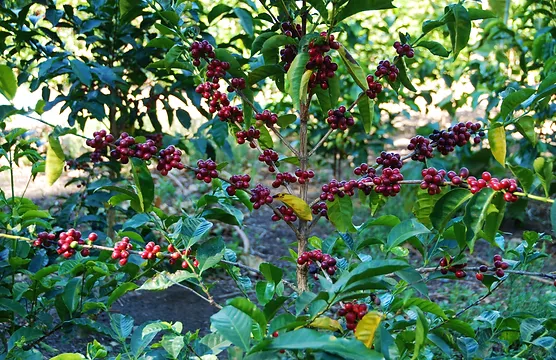
Every year, when the green coffee bean competition season arrives, the coffee community starts to get excited. Rubbing their hands in anticipation, they wait for the latest results, then immediately look for opportunities to taste the beans on the list. Besides classic regions like Ethiopia and Brazil, a new rising star region has emerged in recent years. Because of Panama's Geisha [more…]
Why Are Geisha Coffee Beans So Expensive? A Full Analysis of Panama Hacienda La Esmeralda Geisha Flavor, Grades, and Brewing
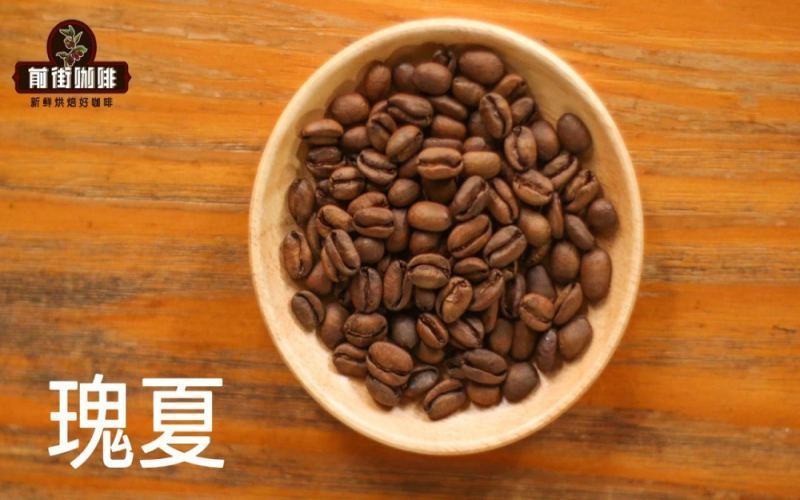
Geisha is widely recognized in the specialty coffee world as a top-tier variety, and Panama's Hacienda La Esmeralda is what elevated it to legendary status. But why is Geisha so expensive? What exactly is the difference between Red Label, Green Label, and Blue Label? And what different flavors do washed and natural processing bring? Starting from Front Street Coffee's bean selection philosophy, this article systematically covers the origin and spread of Geisha, the terroir of Panama's Boquete region, Hacienda La Esmeralda's three farms and grading system, and includes roasting and pour-over parameters for Red Label, Green Label, and Blue Label (washed/natural), as well as the complete workflows for washed and natural processing methods. Whether you're a beginner just getting started or a seasoned enthusiast chasing flavors, you'll find a clear tasting path and practical reference here. [more…]
A Complete Guide to Panama Geisha Coffee: Hacienda La Esmeralda's Grading System, Flavor Characteristics, and Pour-Over Roasting Guide
Geisha coffee is one of the most highly regarded varieties in today's specialty coffee world, and the Geisha produced by Hacienda La Esmeralda in Panama is the benchmark among them. This article begins with the variety's origins and history of spread, then takes a deep look at the unique terroir conditions of Panama's Boquete region, breaks down in detail the grading logic and flavor differences of Hacienda La Esmeralda's three Geisha tiers—Red Label, Green Label, and Blue Label—and includes Front Street Coffee's recommended roasting curves and pour-over extraction parameters for each grade of Geisha. Whether you are a newcomer just getting into specialty coffee or a seasoned enthusiast looking for your next Geisha, you will find practical reference information here. [more…]
Exploring the Flavor Characteristics and Origins of Panama's Green Tip Geisha: From Hacienda La Esmeralda to a Specialty Coffee Legend
Panama, this narrow isthmus connecting North and South America, with its unique microclimates and volcanic soil, has given birth to the world-famous Geisha coffee. From the introduction of Typica in 1780 to Hacienda La Esmeralda's stunning breakthrough in 2004, how did Geisha rise from a windbreak hedge to the pinnacle of fame? What is the difference between green-tip and bronze-tip? This article takes you through the historical trajectory of Panama Geisha, decoding the terroir secrets of core producing regions such as Boquete and Volcán Barú, and reviewing the cultivation characteristics and grading systems of renowned estates like Hacienda La Esmeralda, Elida, and Hartmann, offering a comprehensive presentation of Geisha coffee's legendary charm. [more…]
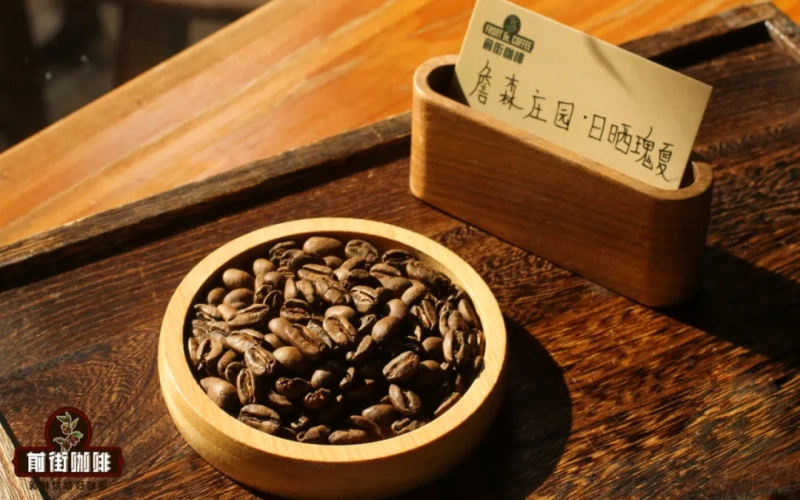
Hacienda La Esmeralda: Geographic Location and Sun-Dried Flavor Analysis of Panama BOP's Perennial Geisha Champion Estate
Hacienda La Esmeralda? No — Janson Coffee Farm is a name that cannot be overlooked on Panama's specialty coffee map. Since its debut at the Best of Panama (BOP) in 2013, it has repeatedly appeared on the winners' list. This family farm, now in its third generation, has become the showcase choice of many professional competitors thanks to its exquisite Geisha flavors. In this article, Front Street Coffee will provide a complete overview of Janson Coffee Farm, covering its history, geographical location, growing plots, processing methods, and the cupping performance of its natural Geisha, introducing you to this famous Panamanian estate located near the Talamanca Mountains and bordering a nature reserve. [more…]
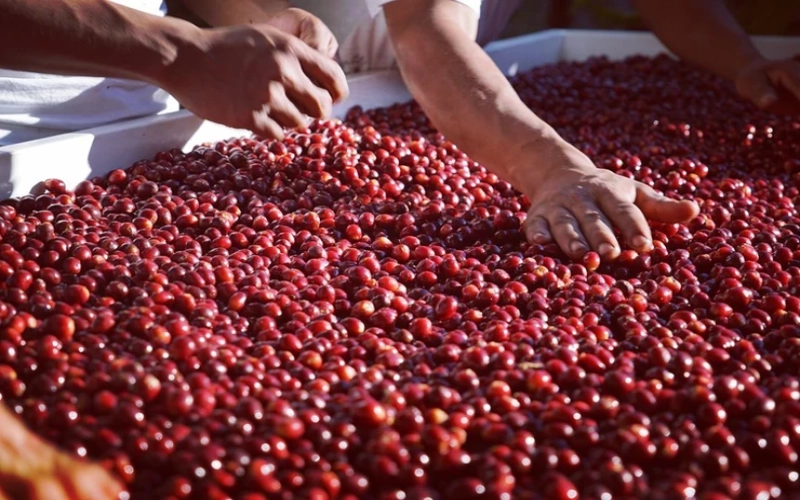
Panama Elida Green Tip Geisha Price and Pour-Over Parameters Explained: Flavor Characteristics and Brewing Recommendations
Geisha coffee rose to fame after Hacienda La Esmeralda in Panama won the BOP competition in 2004, and its price has been climbing ever since. This article will start with the historical origins of Geisha, focusing on the Green Tip Geisha from Elida Estate in Panama—a legendary bean that set a record of 94.66 points at the 2018 BOP. Front Street Coffee will share the flavor profile of this bean, the characteristics of the Anaerobic Slow Dry (ASD) processing method, and why the powder-to-water ratio should be adjusted to 1:16 when brewing. In addition, it will explain the price difference between Elida Geisha in-store and regular pour-over, and provide complete pour-over parameters for reference. [more…]
Panama Hacienda La Esmeralda Geisha: Flavor Differences Between Natural and Washed Processing Methods and the Estate's Story
Hacienda La Esmeralda's Panama Janson Estate is a regular on the BOP award list, and its Geisha coffee is renowned for its delicate and complex floral and fruity aromas. This article starts with a Janson natural Geisha #364 batch sourced by Front Street Coffee, and through cupping evaluation, provides a detailed comparison of the flavor differences brought by natural and washed processing methods. At the same time, it delves into the Janson Estate's century-old family history of transitioning from the dairy business to coffee cultivation, analyzes the terroir characteristics of the two major plots, Lagoon and Alpine, and explores the estate's unique approaches to ecological protection and meticulous management. Whether you are a Geisha enthusiast or a coffee professional, you can gain comprehensive knowledge and brewing suggestions about this top-tier Panamanian Geisha. [more…]
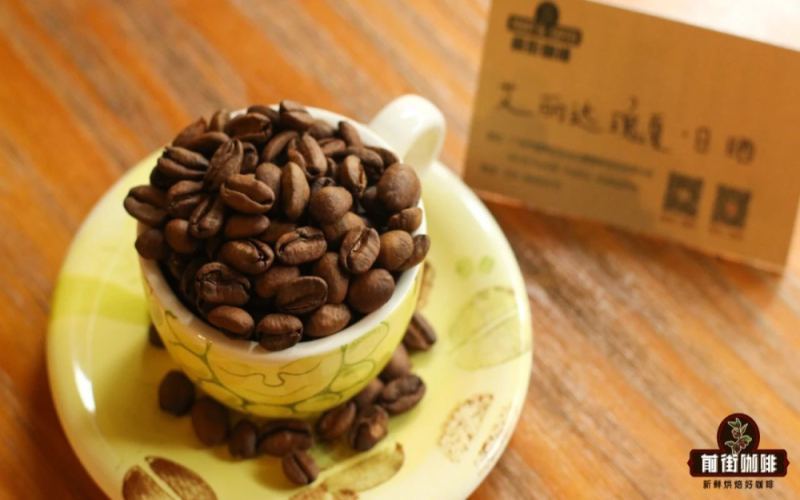
Flavor Analysis of Panama Elida Estate Geisha Coffee and Front Street Coffee Sun-Dried Bean Brewing Guide
The Elida Estate in the Boquete region of Panama, with its ultra-high altitude, volcanic soil, and microclimate, has become a record holder in the Best of Panama (BOP) cupping competition. This article provides a comprehensive analysis of Elida Estate's cultivation history, variety composition, and processing techniques, with a focus on introducing the complex flavors of its natural Geisha—interwoven notes of citrus blossom, ginger flower, and fresh fruit, with a juicy and bright mouthfeel. It also shares Front Street Coffee's Elida Catuai pour-over brewing parameters and flavor performance, allowing you to experience the delicate aromas and sweet taste of a famous estate in a more accessible way. [more…]
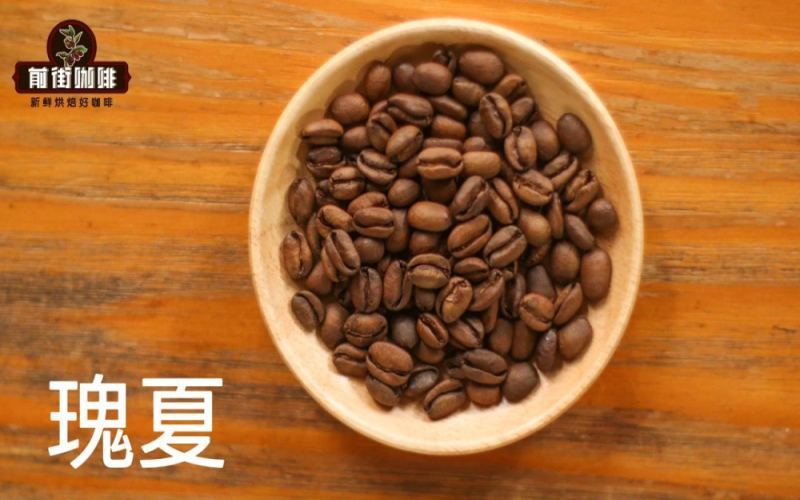
Panama Hacienda La Esmeralda Green Label Geisha Natural Coffee Beans: A Full Breakdown of Flavor Characteristics, Price, and Pour-Over Parameters
The status of Geisha coffee in the specialty coffee world needs no elaboration, and the Green Label Geisha Natural from Panama's Hacienda La Esmeralda is a classic entry point for many enthusiasts. This article focuses on this bean, covering everything from why Geisha is so expensive and how Hacienda La Esmeralda discovered this variety, to the grade differences between Red Label and Green Label, and then to Front Street Coffee's light roast approach and three-pour hand-brewing steps. The article also includes reference prices, extraction water temperatures, coffee-to-water ratios, and grinding recommendations for Front Street's Red Label and Green Label pour-over, hoping to provide a practical flavor and parameter guide for those who want to try or are currently brewing Green Label Geisha. [more…]
Where Does Coffee Aftertaste Come From? An Analysis of the Differences in Aftertaste Duration Between Pour-Over and Espresso
Aftertaste is an indispensable part of coffee tasting. It refers to the comprehensive sensory experience brought by the substances remaining in the mouth and throat after swallowing coffee. Compared with taste and aroma, aftertaste is more subtle and requires certain techniques to be fully perceived. From the perspective of Front Street, this article explains the mechanism behind aftertaste, shares practical methods for perceiving it such as closed-mouth exhalation, and analyzes the difference between good aftertaste and bad aftertaste. At the same time, combined with specific products in the Front Street bean list, it explains the aftertaste emphases of coffees with different roast levels, and discusses the differences in aftertaste length between pour-over and espresso as well as their causes. [more…]
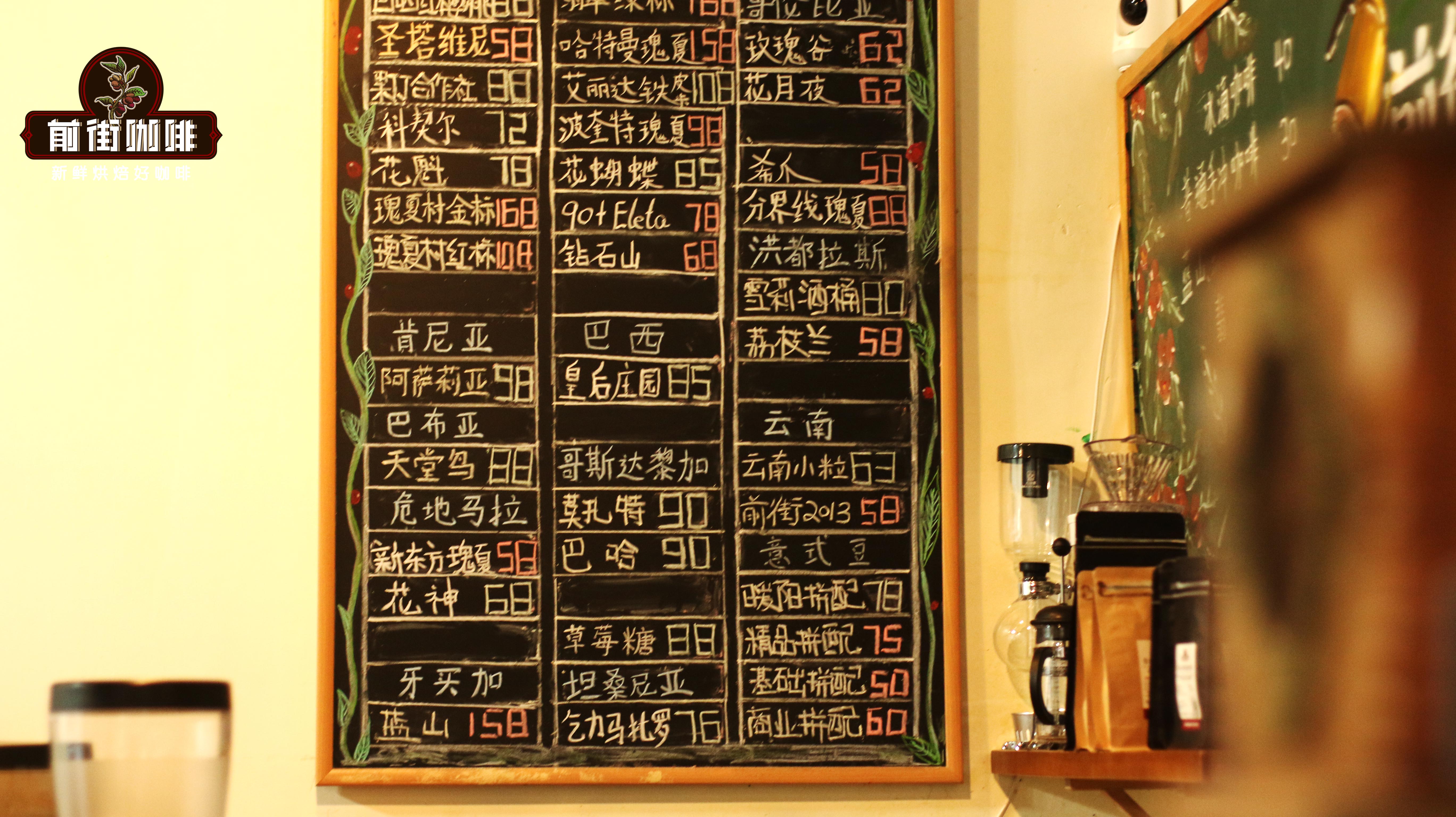
Analysis of the Flavor of Costa Rican Honey-Processed Coffee Beans: A Complete Guide from Growing Regions and Varieties to Brewing Parameters
Costa Rican coffee is renowned for its honey processing, and its sweetness is deeply impressive. Drawing on Front Street Coffee's bean-sourcing experience, this article systematically reviews the growing regions, main varieties, and honey processing classifications of Costa Rican coffee, and compares the flavor differences among the three processing methods: yellow honey, red honey, and black honey. At the same time, the article also includes Front Street Coffee's cupping notes and specific brewing parameters for Costa Rican coffee beans, helping coffee lovers gain a comprehensive understanding of this Central American origin's sweet style. [more…]

An Analysis of Yunnan Coffee's Three Major Varieties: Flavor Evolution, Roasting, and Brewing Highlights of Typica, Bourbon, and Catimor
Yunnan coffee, also known as Yunnan small-bean, is renowned for its plump and uniform beans and its mellow, well-balanced taste. Front Street Coffee has always paid attention to China's own coffee, hoping that through a deeper understanding of varieties and flavors, more people can rediscover Yunnan beans. Currently, the varieties that can be produced on a large scale in Yunnan are mainly Catimor, Typica, and Bourbon. This article will review the introduction history and evolution of these three varieties in Yunnan, and, using Front Street Coffee's Huaguoshan Typica and Yunnan small-bean Catimor as examples, present complete information from roasting curves and cupping flavors to brewing parameters, while also introducing the current state of Bourbon cultivation in Yunnan, providing coffee lovers with a practical guide to Yunnan coffee varieties. [more…]
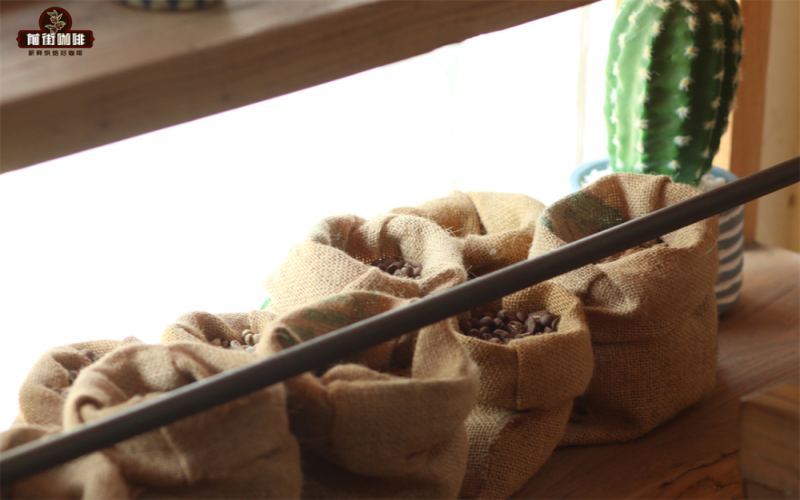
A Comprehensive Analysis of Yunnan Coffee Beans' Flavor, Taste, and Cultivated Varieties: From Typica to Catimor, the Terroir of the Origin
Yunnan, as China's core coffee-producing region, has always attracted attention for the flavor and varietal characteristics of its coffee beans. Starting from its historical origins, this article systematically reviews the main cultivated varieties of Yunnan coffee—Typica, Catimor, and Bourbon—including their respective flavor profiles and cultivation characteristics, and introduces international and domestic grading standards, the growth cycle, and brewing suggestions. In addition, the article also features the cultivation experience and cupping feedback from Front Street Coffee's own estate in Lincang, Yunnan, helping coffee enthusiasts gain a comprehensive understanding of Yunnan coffee from seed to cup. [more…]
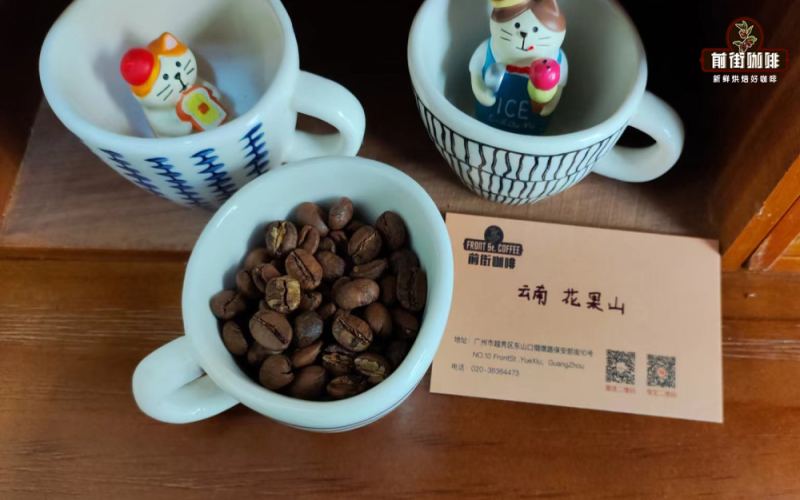
Analysis of the Three Major Yunnan Arabica Coffee Varieties: Flavor and Roasting Comparison of Typica, Catimor, and Bourbon
Yunnan coffee, also known as Yunnan small-bean coffee, is famous for its plump, uniform beans and its mellow, well-balanced taste. Front Street Coffee has always followed the development of Yunnan coffee and understands deeply how variety decisively shapes flavor. At present, the coffee varieties that can be produced on a large scale in Yunnan are mainly Catimor, Typica, and Bourbon. This article systematically reviews the historical origins, botanical characteristics, and cupping performance of these three varieties, and shares Front Street Coffee's roasting curves and brewing parameters. From the introduction of Typica by missionaries in 1904, to the large-scale promotion of Catimor because of its resistance to leaf rust, to the trial cultivation of Bourbon in Yunnan, readers can gain a comprehensive understanding of the evolution of Yunnan coffee varieties and the unique expression of each variety in aroma, acidity, and body. [more…]
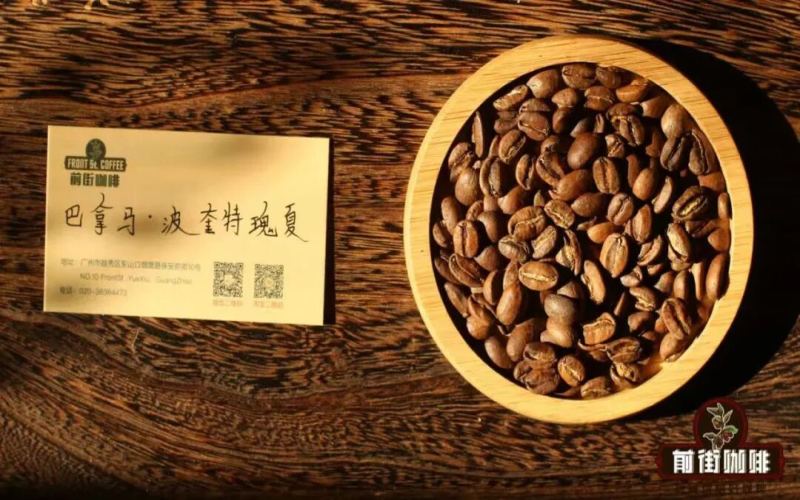
What Kind of Coffee Is Geisha?|Why Are Geisha Coffee Beans Always Associated with Panama? Which Coffee Regions Grow Geisha? What Makes Panamanian Geisha So Unique?
Many friends have noticed this phenomenon: whenever people chat about Geisha coffee, even though no specific region is mentioned, the first thing that often comes to mind is Geisha from Panama; or when talking about Panamanian coffee, they will directly assume it is the Geisha variety; some even go so far as to directly [more…]
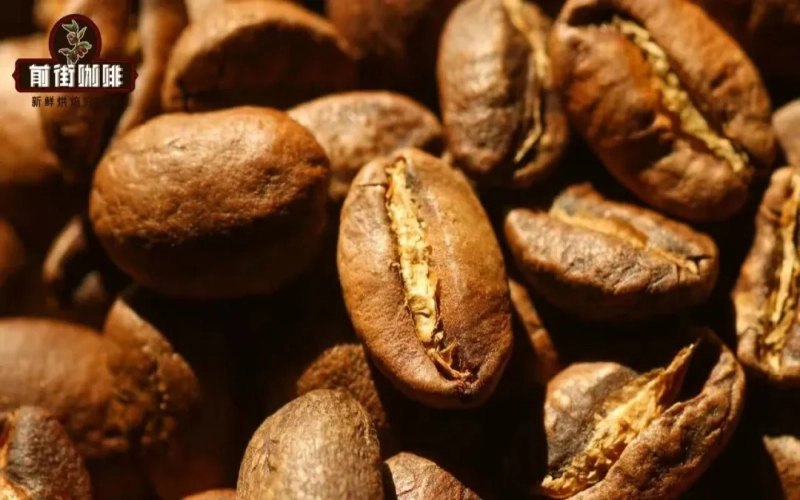
Flavor Differences Between Ethiopian Geisha and Panamanian Geisha: Same Name, Different Variety—Why the Huge Gap in Price and Taste
Geisha coffee varies significantly in flavor and price depending on its origin and processing method. Among them, Ethiopian Geisha and Panamanian Geisha often spark lively discussion among coffee enthusiasts due to their stark differences in price and taste. Although the two share the name "Geisha," they are actually entirely different varieties. Panamanian Geisha originated from the Geisha forest in Ethiopia, was discovered by Hacienda La Esmeralda, and won the 2004 BOP competition, known for its white floral notes, citrus fruit character, and green tea-like quality, with the designation T2722; Ethiopian Geisha, on the other hand, tends to have a rich, juicy mouthfeel and is genetically more distantly related to Panamanian Geisha, making it something of a distant relative. This article will outline the origins and flavor differences of the two, and recommend several high-value Geisha beans from Front Street Coffee for comparative tasting. [more…]
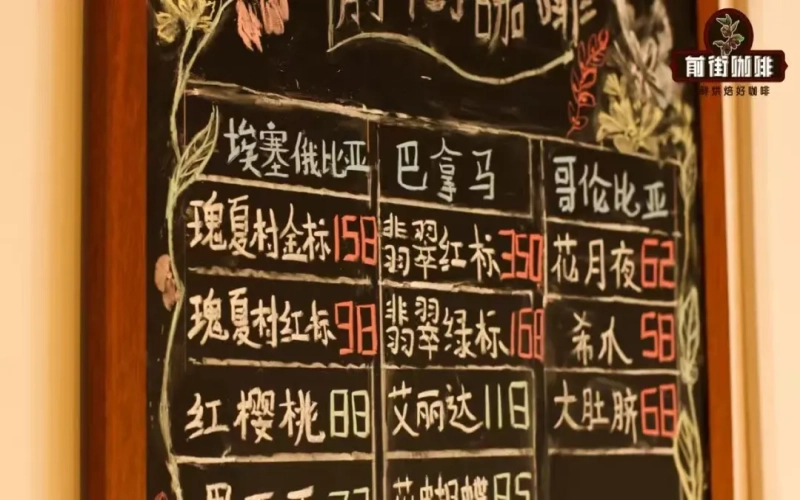
An Analysis of Geisha Coffee Flavor Profiles: Comparing the Differences Between Panama, Ethiopia, Peru, and Costa Rica Geisha
Why does coffee that is also called Geisha taste so different? From Front Street Coffee's perspective, this article systematically sorts out the flavor tiers and producing-region differences of Geisha coffee. The article points out that variety, terroir, processing method, and roasting together determine the taste of coffee, among which variety accounts for 70% of the base flavor and terroir accounts for 30%. Front Street Coffee recommends the washed Geisha from the Boquete producing region of Panama as the entry-level choice for the classic "Geisha flavor," and compares in detail Hacienda La Esmeralda's Red Label and Green Label, 90+ Eleta Anaerobic Geisha, Costa Rica Strawberry Candy, Peru Cajamarca Washed Geisha, as well as Ethiopia Gesha Village's Gori Geisha and Geisha 1931. Whether you want to get to know traditional Geisha or explore the style variations of different producing regions and processing methods, you can find clear references in it. [more…]
What is the price tier of Panama Hacienda La Esmeralda Red Label Geisha coffee beans? An analysis of Geisha flavor, taste, and grading system
Geisha coffee is often regarded as the pinnacle of specialty coffee, especially the Red Label, Green Label, and Blue Label lots produced by Panama's Hacienda La Esmeralda, whose prices and flavors attract much attention. From the perspective of Front Street Coffee, this article systematically reviews the history of Geisha's spread, the differences between Ethiopian and Panamanian Geisha, the grading methods of Gesha Village, and the three major plots of Hacienda La Esmeralda along with the Red Label, Green Label, and Blue Label tier system, and analyzes the reasons behind Geisha coffee's high price. The article also retains product information and brewing suggestions for Front Street's Emerald Red Label, Green Label, and Blue Label Geisha, making it suitable reading for coffee enthusiasts who want to gain a deeper understanding of Geisha's grades and flavor. [more…]